Chestnut Hill is a neighborhood where history feels alive in every detail. The charm of 19th-century stone buildings, tree-lined avenues, and carefully preserved landmarks creates a setting where the past and present blend seamlessly. Art, architecture, music, and literature are woven into the fabric of daily life—seen in historic churches, vibrant museums, and community spaces that continue to serve as cultural gathering places. It’s a place where stories are not just told, but felt—through the textures of old masonry, the brushstrokes of local artists, and the quiet beauty of gardens that surround centuries-old estates.
Woodmere Art Museum
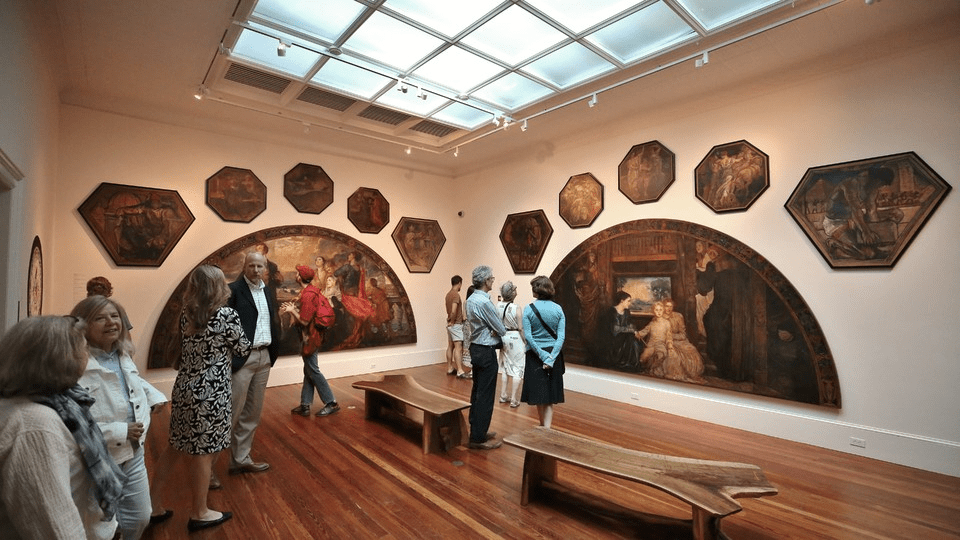
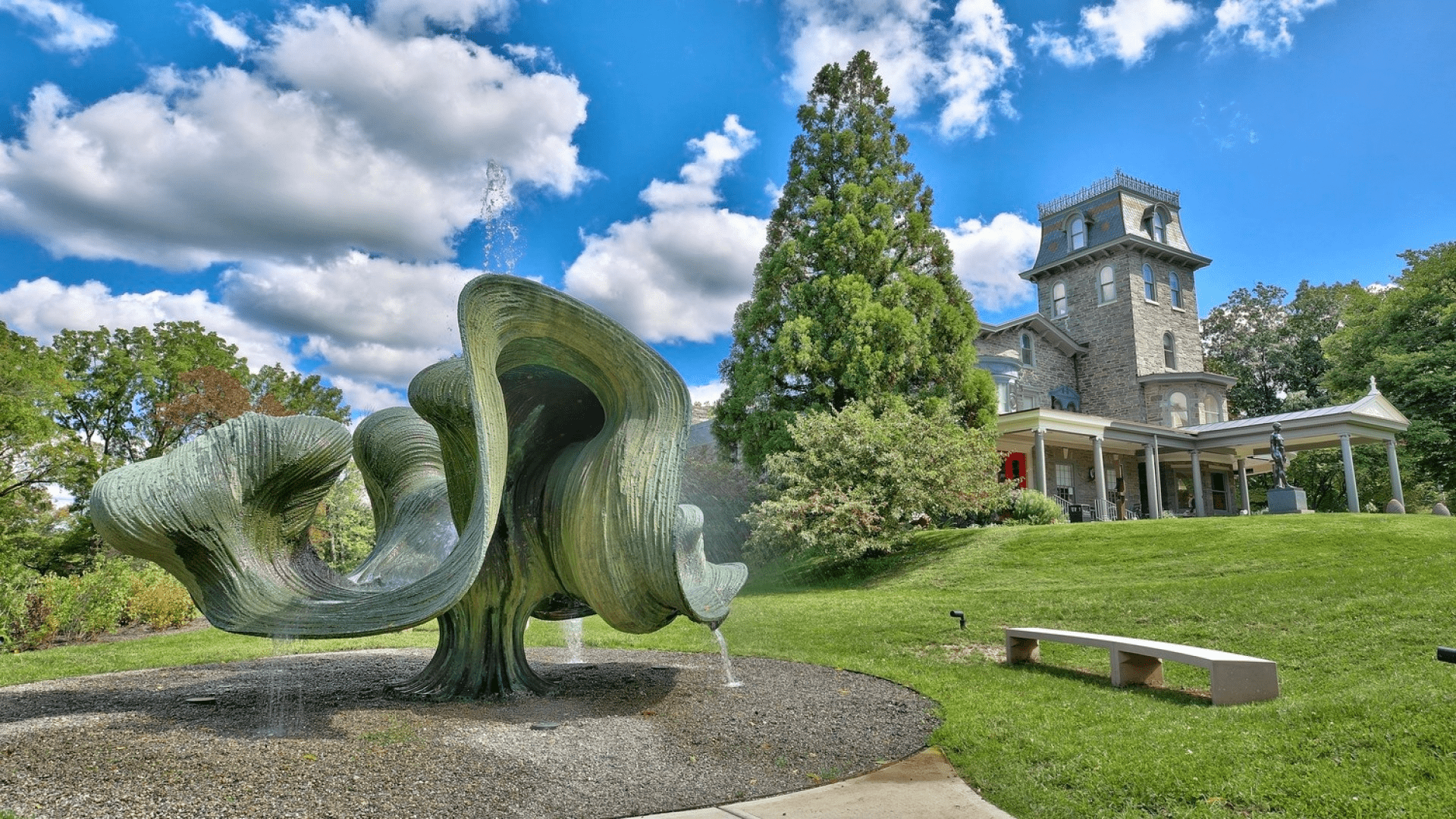
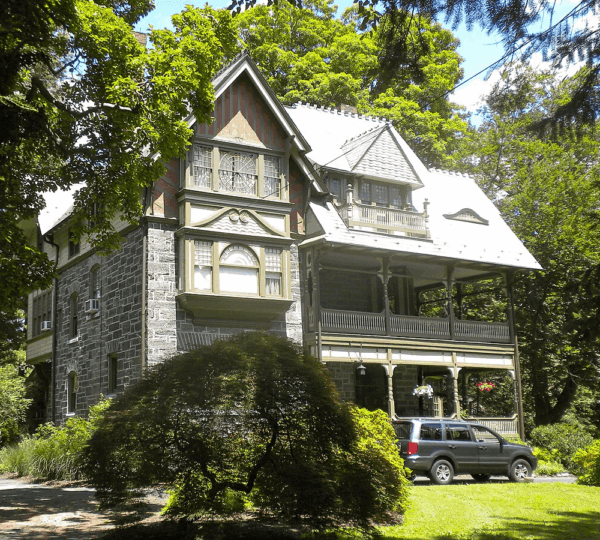
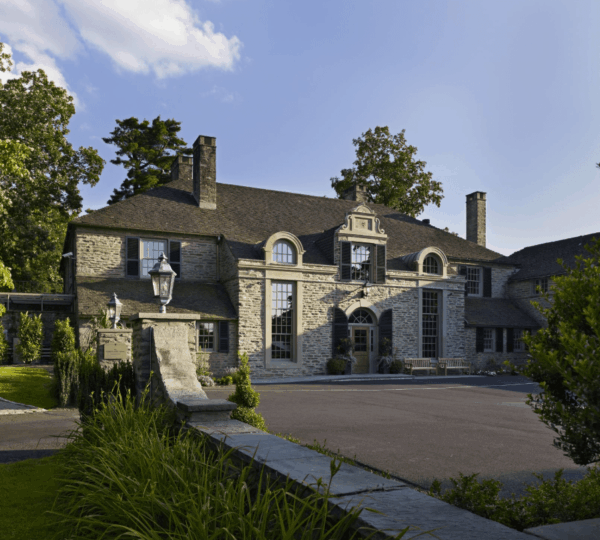
Set in a 19th-century stone mansion surrounded by towering trees, the Woodmere Art Museum offers an intimate, immersive art experience that reflects the creative spirit of the Philadelphia region. Its permanent collection includes paintings, sculptures, and photography from local artists, while rotating exhibitions ensure that there’s always something new to discover.
Visitors can enjoy:
Educational programs and lectures that deepen appreciation for regional art and artists
Hands-on art workshops for children, sparking creativity for all ages
A tranquil outdoor sculpture garden, perfect for a relaxing stroll or picnic
Live jazz concerts, art openings, and community events that bring the museum to life year-round
Whether you’re an art enthusiast or a casual visitor, Woodmere offers a welcoming space to explore the vibrant culture of the area.
Chestnut Hill Historic District
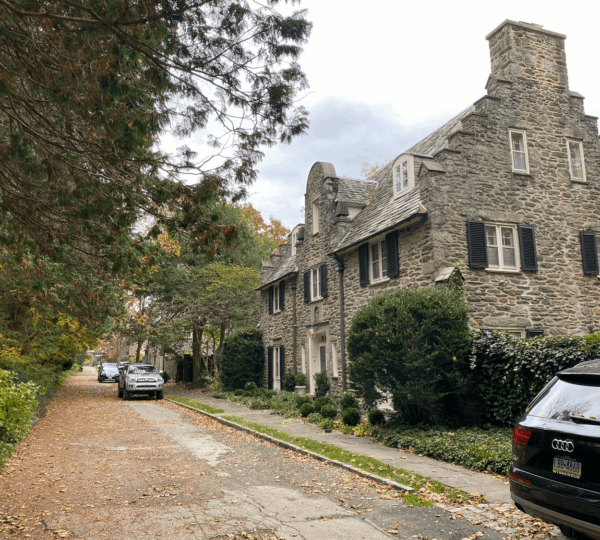
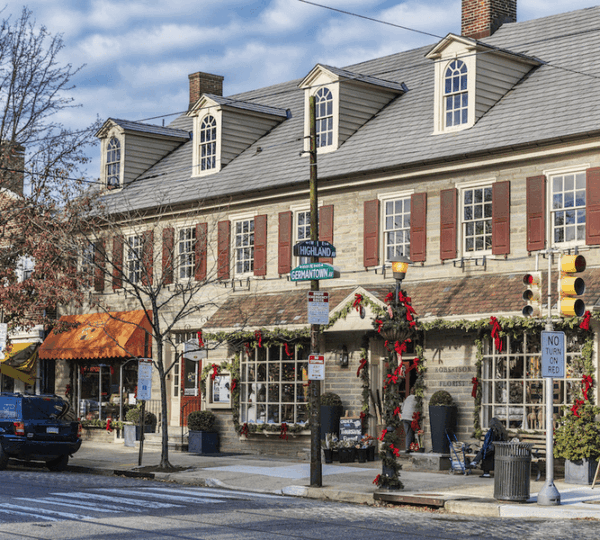
Listed on the National Register of Historic Places, the Chestnut Hill Historic District is like stepping into a living time capsule. With over 2,000 preserved structures, the area showcases architectural gems in styles such as Colonial Revival, Victorian, and Gothic.
Visitors can:
Take a self-guided walking tour along charming Germantown Avenue, a cobblestone street lined with historic homes, quaint shops, and inviting cafes
Admire intricate stonework, stained glass windows, and period architecture
Visit local boutiques and artisan stores housed in century-old buildings, blending heritage with modern-day charm
Enjoy seasonal festivals and holiday strolls, adding to the district’s lively atmosphere
The district is a perfect stop for architecture buffs, photographers, and anyone who loves the romance of historic neighborhoods.
St. Martin-in-the-Fields Episcopal Church
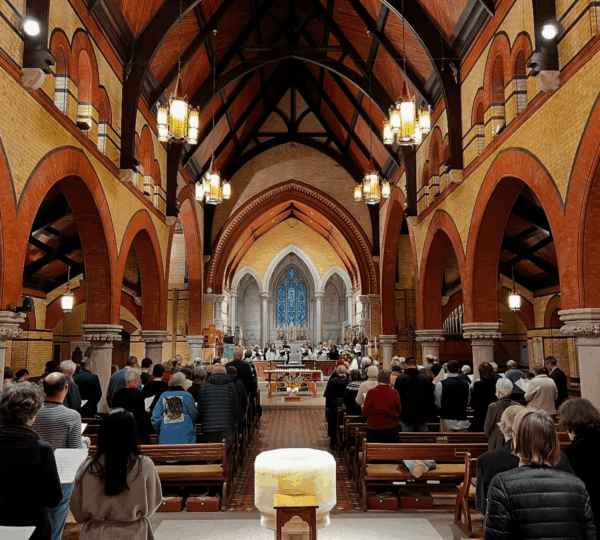
Built in 1888, this Gothic Revival church is both a spiritual haven and an architectural wonder. Surrounded by lush gardens and mature trees, it offers a peaceful retreat in the heart of Chestnut Hill.
Visitors are welcome to:
Join historic tours to learn about the church’s stunning design, including its bell tower, stone carvings, and stained-glass windows
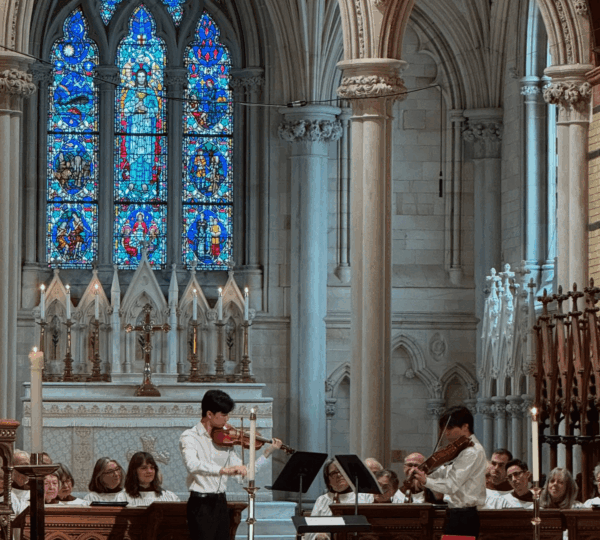
Attend classical music concerts, choral performances, and community services that are regularly held in the sanctuary
Enjoy quiet reflection in the beautiful churchyard or walk through the adjacent gardens
Chestnut Hill College & SugarLoaf Hill
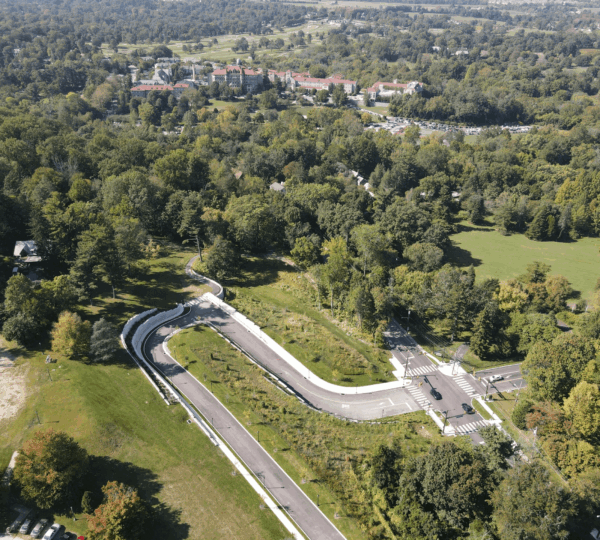
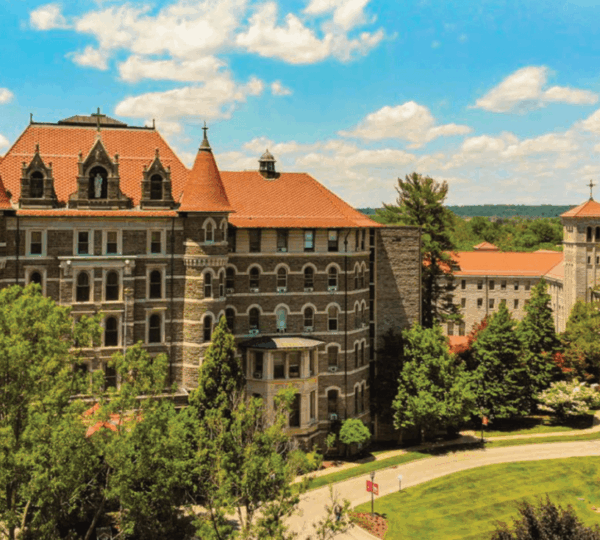
Once a private estate, the hilltop campus of Chestnut Hill College combines history, beauty, and learning. Its neo-Gothic architecture and meticulously landscaped grounds offer a scenic and scholarly escape.
SugarLoaf Hill, part of the college’s estate:
Offers sweeping views of Wissahickon Valley Park, ideal for nature lovers and photographers
Hosts public events, lectures, and cultural programs throughout the year
Invites visitors to enjoy quiet walks, take in the scenery, or attend special community gatherings
Chestnut Hill Library
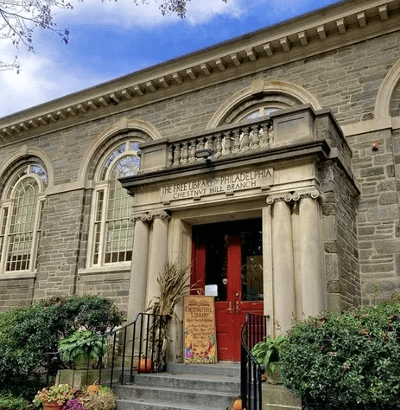
Opened in 1907, the Chestnut Hill Library is more than a place for books—it’s a community cornerstone. Inside, warm wooden interiors, cozy reading nooks, and a fireplace room offer a welcoming ambiance for all ages.
Visitors can enjoy:
Weekly story time for kids, a favorite for families
Local author readings, book clubs, and art exhibits
Seasonal events and craft workshops, making it a lively part of the neighborhood’s cultural life