THE STORY BEHIND CHESTNUT HILL’S TIMELESS CHARM

Chestnut Hill History

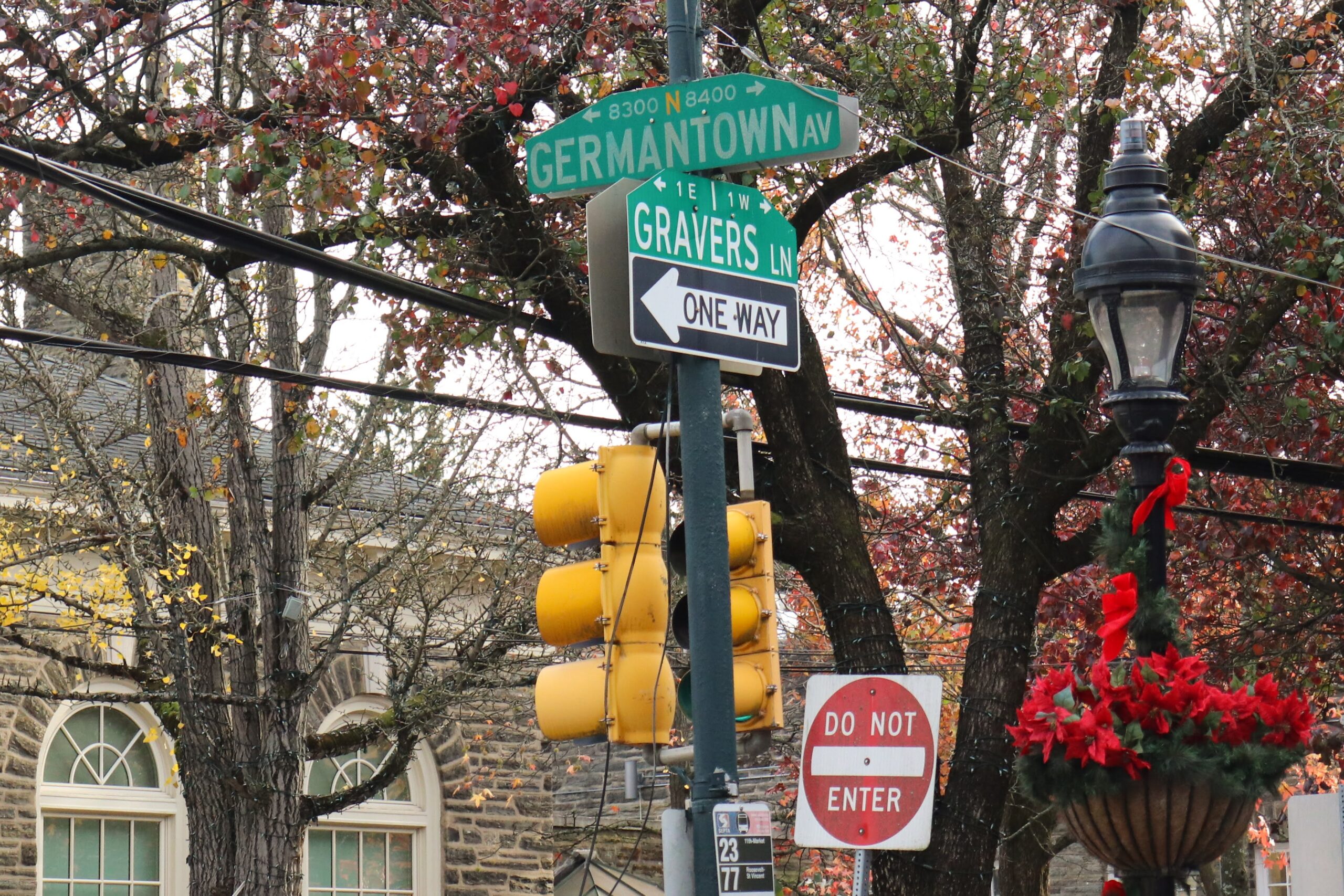
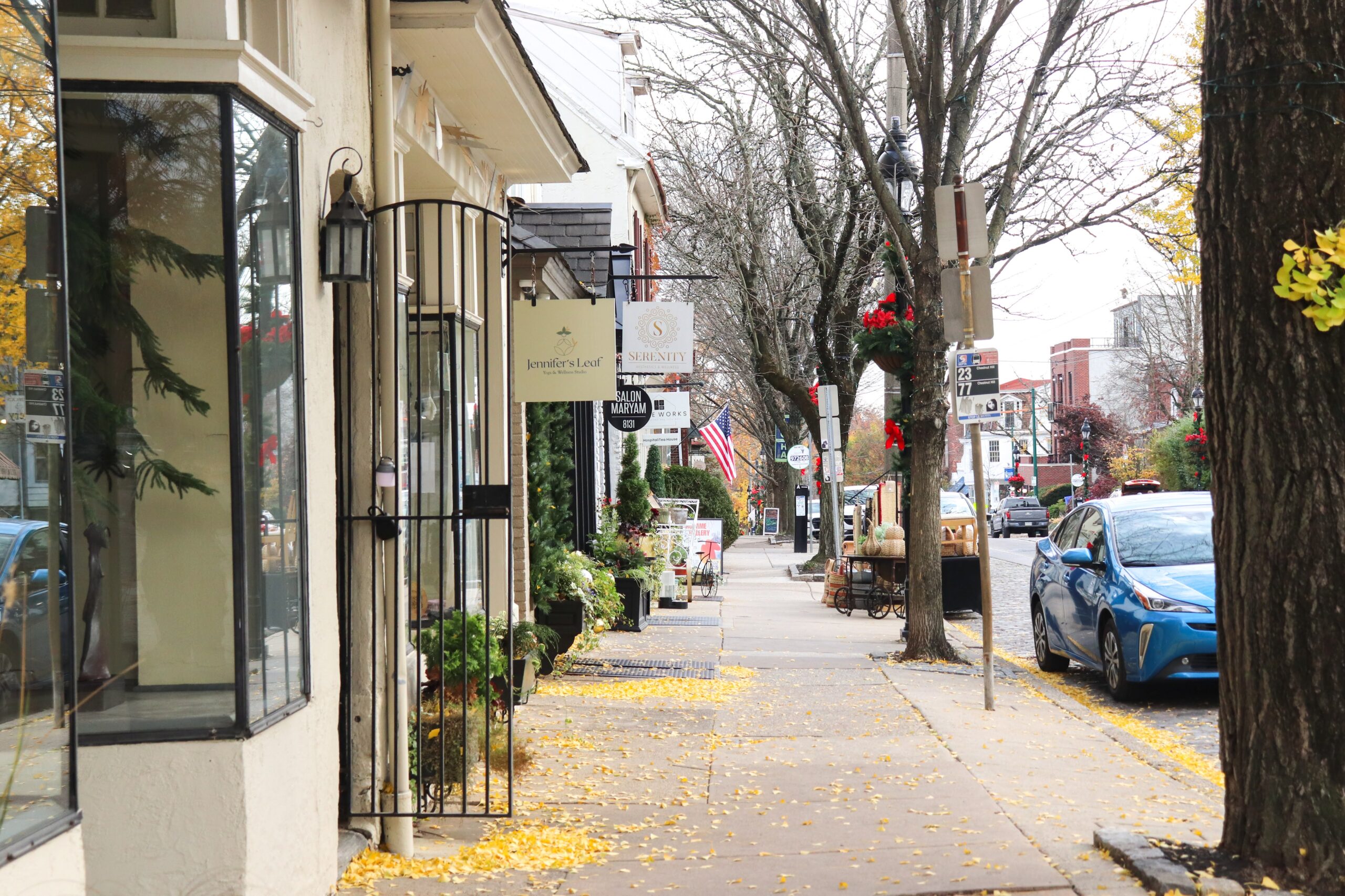
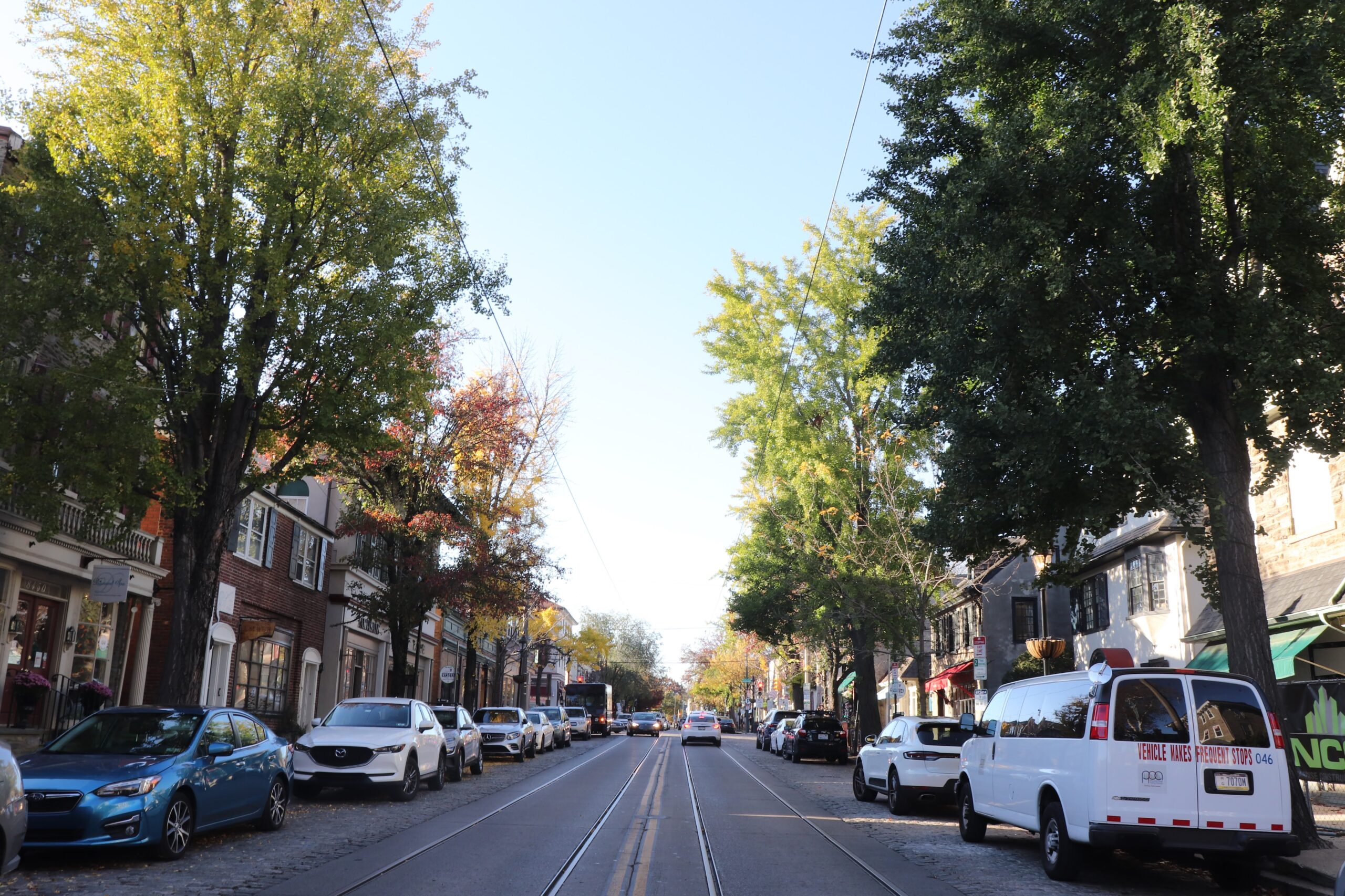
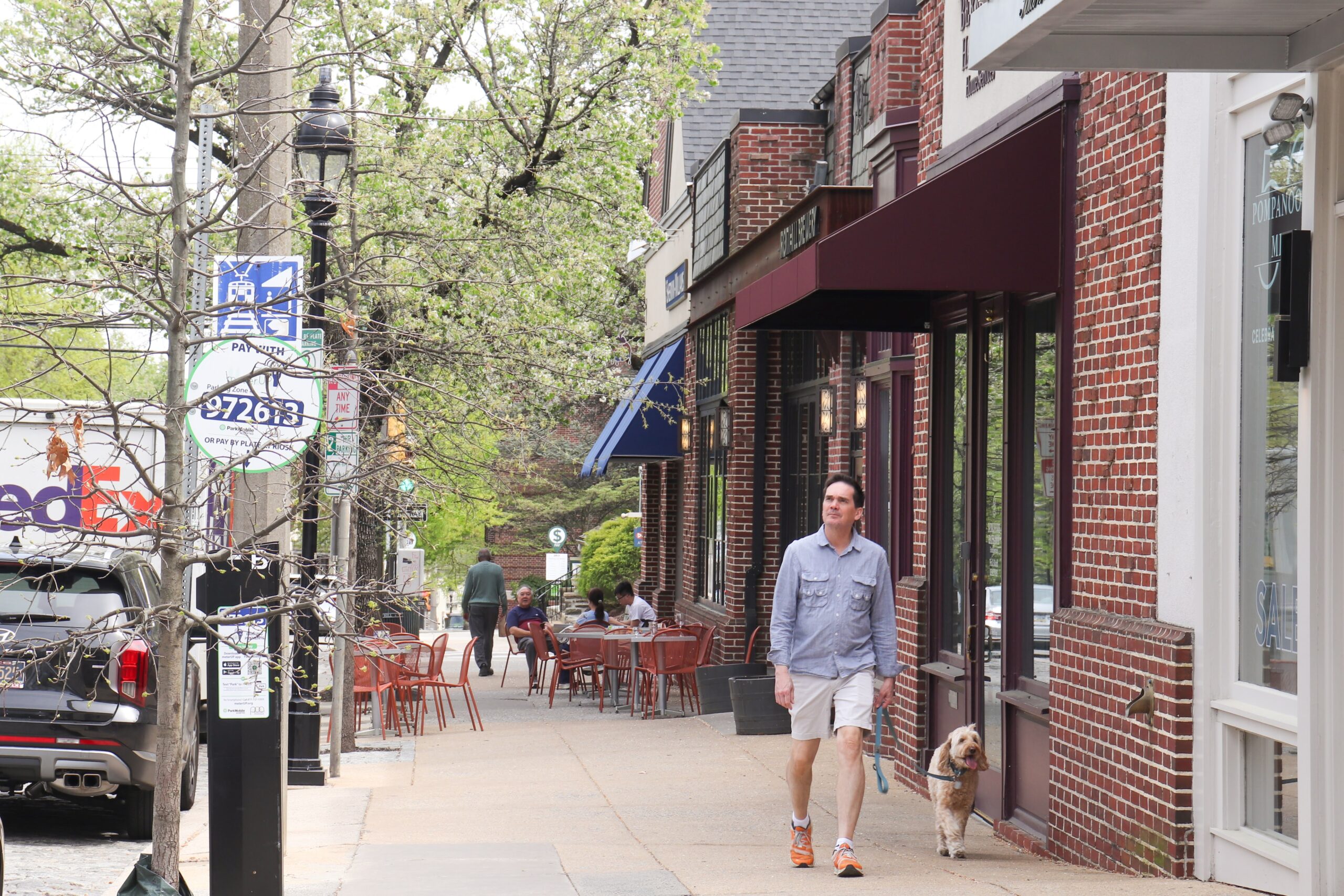
Nestled along the cobblestone stretch of Germantown Avenue, Chestnut Hill has evolved from a quiet colonial village into one of Philadelphia’s most treasured urban enclaves. Its story is one of innovation, preservation, and community-led transformation—over three centuries in the making.

Roots in the 1700s

Chestnut Hill’s beginnings trace back to the early 1700s, when German settlers established mills and farms along two ancient Lenape trails—now Germantown Avenue and Bethlehem Pike. These early paths laid the foundation for a village that would grow into a hub of both natural beauty and economic vitality.

In 1854, Chestnut Hill was officially incorporated into the City of Philadelphia with the opening of the Chestnut Hill East Railroad. This marked the start of its transformation into a vibrant residential and commercial community.

A Streetcar Suburb Emerges

By the late 19th century, Chestnut Hill became one of America’s earliest “streetcar suburbs.” Wealthy Philadelphians commissioned architect-designed estates while rail lines brought professionals to and from the city. Surrounding these grand homes, working-class families built their own homes, creating a tightly knit and walkable neighborhood of extraordinary character.

Building a Business Community

As Chestnut Hill grew, so did the need for a strong business presence. In 1955, the Chestnut Hill Business Association (CHBA) was formed to strengthen the Avenue as a destination for commerce and culture. The neighborhood also gained the Chestnut Hill Community Association (1947) and the Chestnut Hill Historical Society (1967), forming the foundation for its modern civic life.

In the 1950s, a transformative revitalization plan—led by architect and planner Lloyd P. Wells—sparked a renaissance for Germantown Avenue, helping to reverse storefront vacancy and preserve the historic streetscape.

Revitalization and Renewal

The launch of the Chestnut Hill Business Improvement District (CHBID) in 2004 brought new energy and full-time staff dedicated to supporting small businesses and attracting visitors. Since then, over two dozen new shops and restaurants have opened, including cherished local favorites and destination dining.

With vacancy rates reduced by nearly half, Chestnut Hill remains a model for how historic business districts can adapt while honoring their legacy.

A Living Landmark

In 1985, the Chestnut Hill Historic District was added to the National Register of Historic Places. Today, the Avenue is home to more than 125 independently owned retailers, 25+ eateries, galleries, wellness studios, and cultural institutions.
Recognized by the American Planning Association as one of America’s Great Neighborhoods and featured by Forbes as a Top 7 Urban Enclave, Chestnut Hill is a thriving example of sustainable, community-first development.

A Legacy that Lives On

Thanks to the tireless work of the CHBA, CHBID, Chestnut Hill Conservancy, and countless volunteers, our business district continues to flourish—preserving the past while embracing the future.

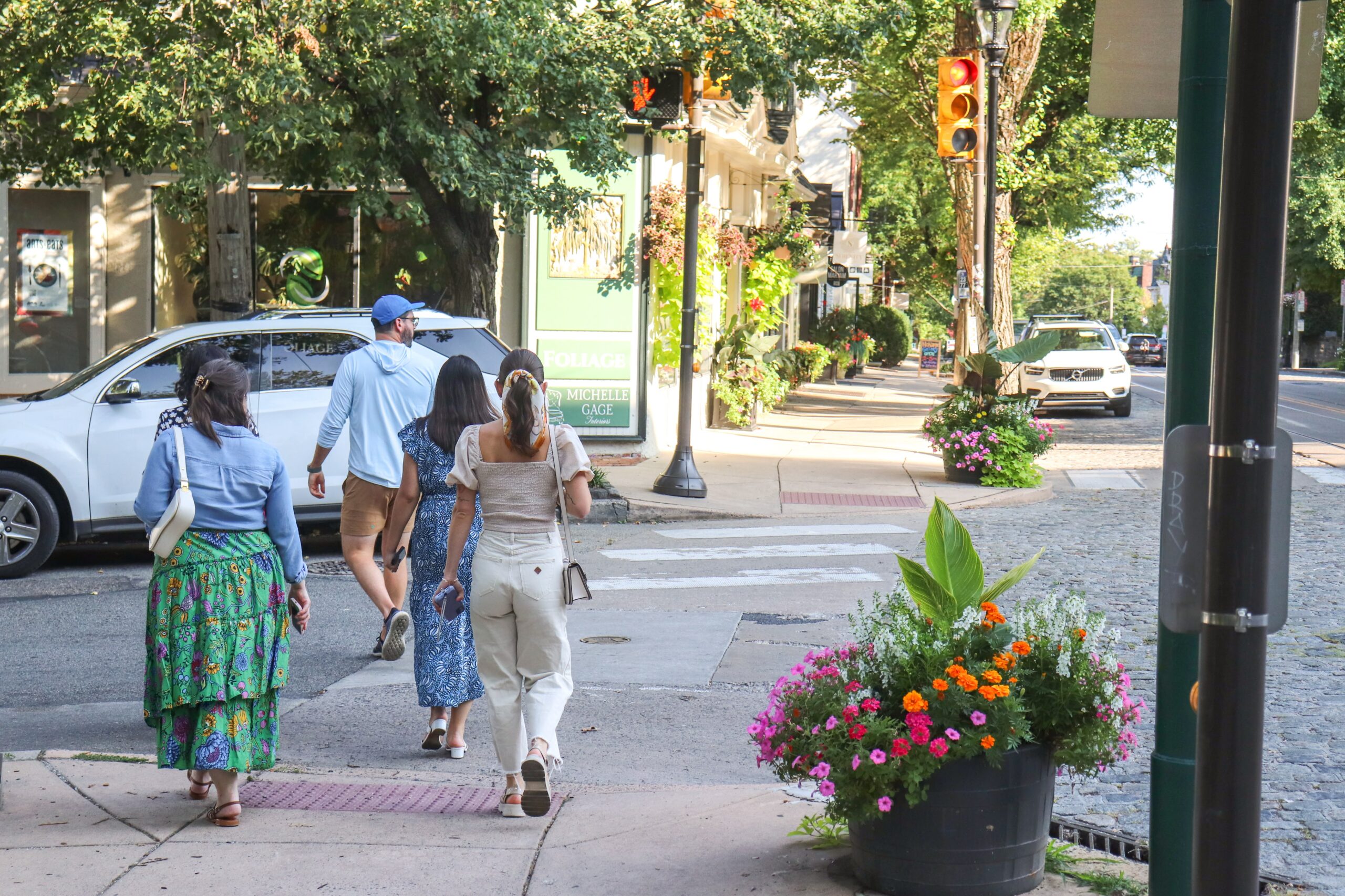
Whether you're strolling under tree-lined streets, shopping at a family-run boutique, or dining in a historic building, you’re taking part in a living legacy—one rooted in history and shaped by the people who call Chestnut Hill home.